
The Conversation
By this Author
Why standing in solidarity with immigrants is an act of accompaniment in Catholic philosophy
What is and isn't new about US bishops' criticism of Trumps' foreign policy
The celibate, dancing Shakers were once seen as a threat to society — 250 years later, they're part of the sound of America
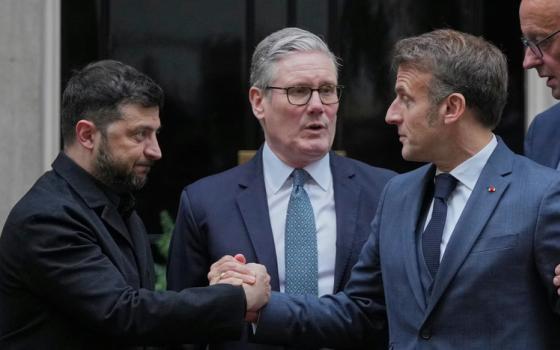
Getting peace right: Why justice needs to be baked into ceasefire agreements — including Ukraine's
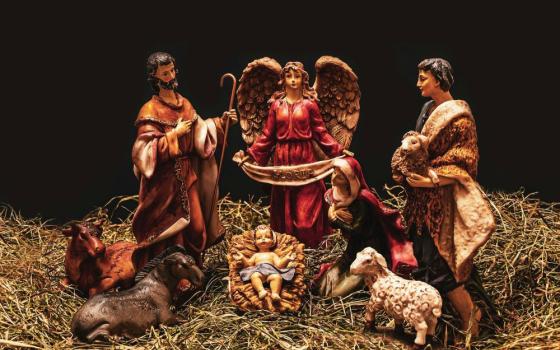
The Bible says little about Jesus’ childhood — but that didn't stop medieval Christians from enjoying tales of him as holy 'rascal'
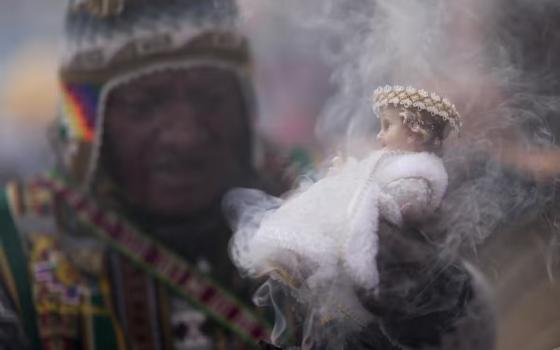
'Yes' to God, but 'no' to church – what religious change looks like for many Latin Americans
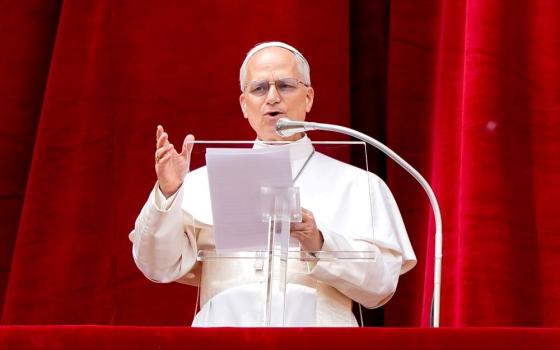
Pope Leo sings. So should we. Science says it's good for us.
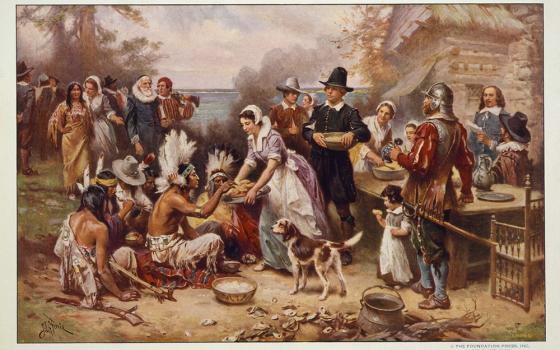
How the Plymouth Pilgrims took over Thanksgiving — and who history left behind
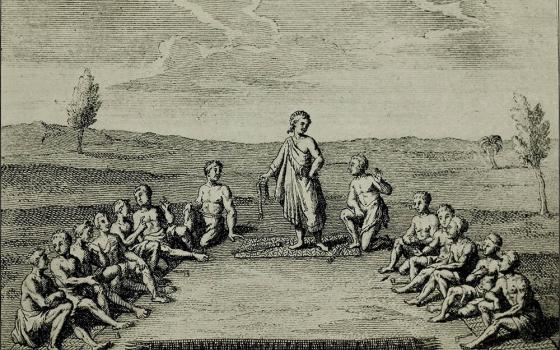
Before the American Revolution, Native nations guarded their societies against tyranny

How the US cut climate-changing emissions while its economy more than doubled
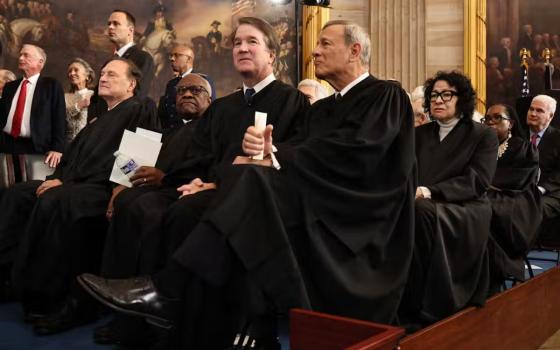
Supreme Court soon to hear a religious freedom case that's united both sides of the church-state divide
Tribal colleges and universities aren’t well known, but are a crucial stepping stone for Native students
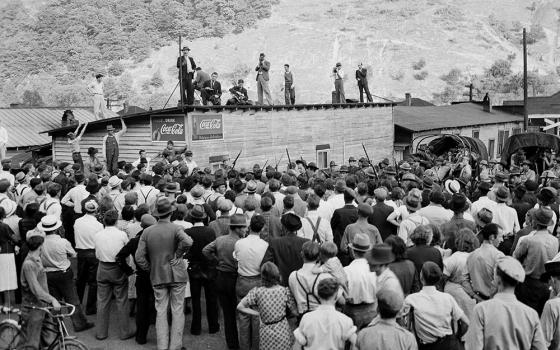
From pulpit to picket line: Religion and labor rights long connected in coal country
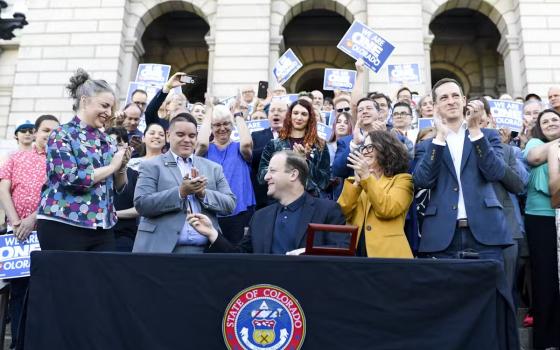
Supreme Court to decide if Colorado's law banning conversion therapy violates free speech
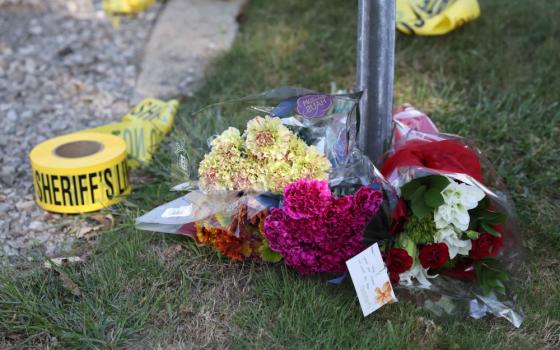
Violent acts in houses of worship are rare but deadly — here's what the data shows
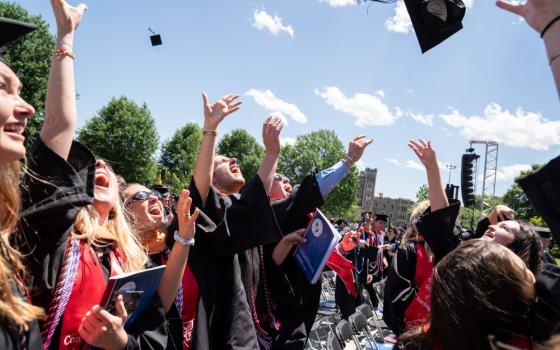
Supporting religious diversity on campus is a surprising consensus among faculty across the red-blue divide
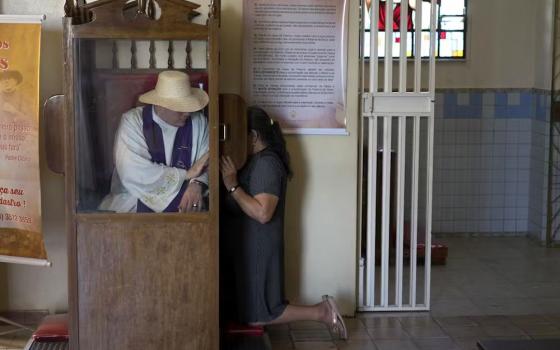
Over centuries, Catholic confession has evolved from public confession to private penance
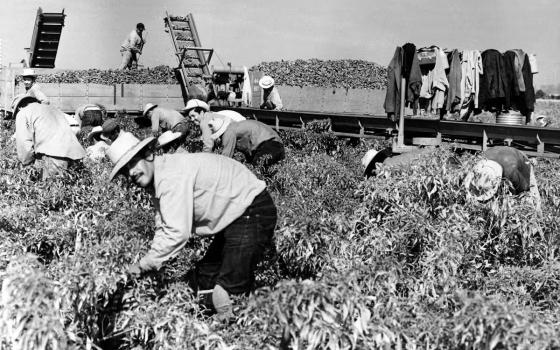
Trump has naive views of US immigrant farmworkers
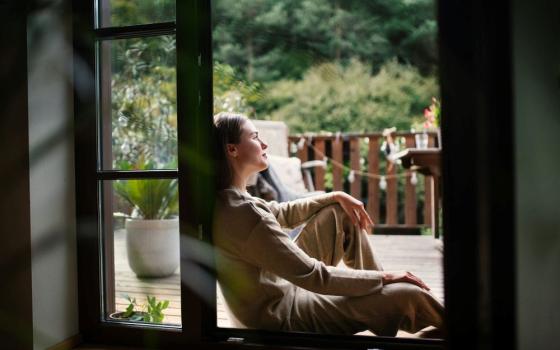
Why leisure matters for a good life, according to Aristotle