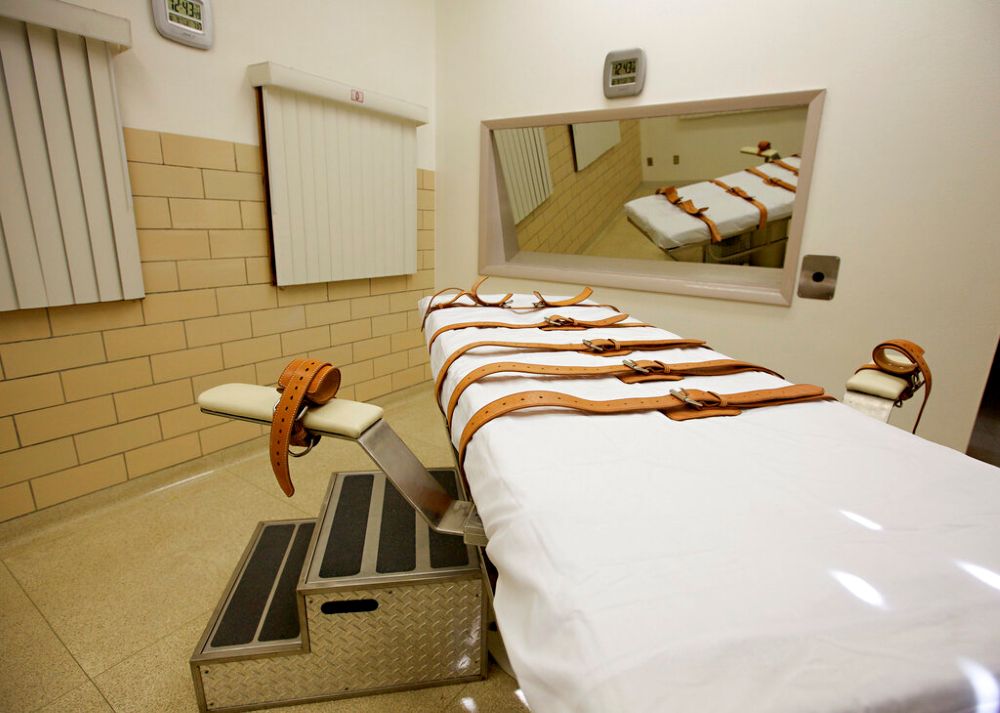
This Oct. 9, 2012, file photo shows the lethal injection chamber of the South Dakota State Penitentiary in Sioux Falls. A bill to repeal the death penalty in the state failed to advance out of a House committee in February 2026. (AP/Amber Hunt)

Editor's note: This is the final story in a three-part series about Briley Piper, the only prisoner on South Dakota's death row. The first parts traced Piper's path from a troubled youth and a murder conviction to his conversion to Catholicism, baptism in prison and life within a Catholic community formed largely through cell-front visits and telephone calls. This story examines how Piper's case intersects with South Dakota politics, the national movement against capital punishment and Catholic teaching on the dignity of human life.
South Dakota state Rep. Tim Reisch had spent much of his career enforcing the law, not trying to abolish one of its most severe punishments.
The Republican had served as a county sheriff and, later, as South Dakota's longest-serving secretary of corrections. In that position, he witnessed the state's first execution by lethal injection, reading the official order before the sentence was carried out.
Years later, as a legislator, Reisch introduced a bill that would have repealed the death penalty.
The change did not begin with the execution he had witnessed. It began last fall, he said, when a video of Pope Leo XIV appeared on his phone. In the clip, the pope was discussing what it means to claim a consistently pro-life position.
"When I heard the pope talk that way, I thought, 'Am I pro-life or am I not pro-life in the eyes of the Catholic Church?' " Reisch said. "And so that's the impetus for the bill filing."
House Bill 1268 proposed repealing capital punishment without preserving it for selected crimes or categories of victims. On Feb. 18, the South Dakota House Judiciary Committee voted 10-1 to defer it to the legislature's 41st day — after the constitutionally limited session had effectively ended, leaving it at a standstill for another year.
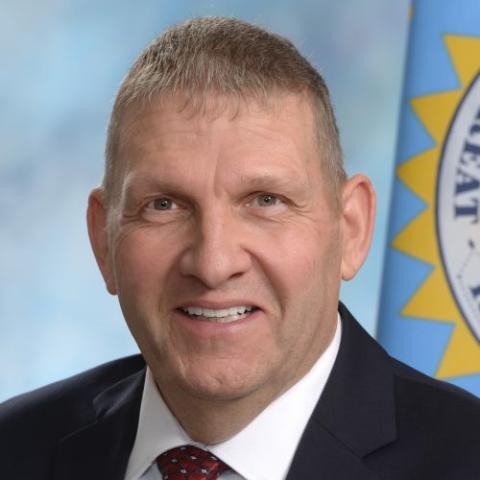
South Dakota state Rep. Tim Reisch is a former county sheriff and secretary of corrections who now opposes the death penalty. (Courtesy of Tim Reisch)
Reisch cast the only vote against deferral. The bill had been supported at the hearing by representatives of the South Dakota Catholic Conference, death-penalty opponents, criminal-defense lawyers and women religious. The state Attorney General Marty Jackley and law-enforcement representatives opposed it.
Reisch had anticipated that result.
"It really was going to have very little chance of passage," he told the National Catholic Reporter.
His bill brought Catholic teaching into a statehouse debate about Briley Piper, who has spent about a quarter-century under a death sentence in South Dakota. Although the bill would not have changed Piper's sentence, it refocused attention on the death penalty in the state. For Reisch, the issue has become a test of whether Catholic opposition to abortion and capital punishment can be separated.
He deliberately declined to add exceptions to the repeal measure, including one that might have retained the death penalty for people convicted of killing police or correctional officers. Such exceptions, he said, might have attracted more votes but would have weakened the moral premise of his proposal.
"In order to be pro-life, as my faith instructs us to be, life needs to be from conception to natural death of everyone," Reisch said.
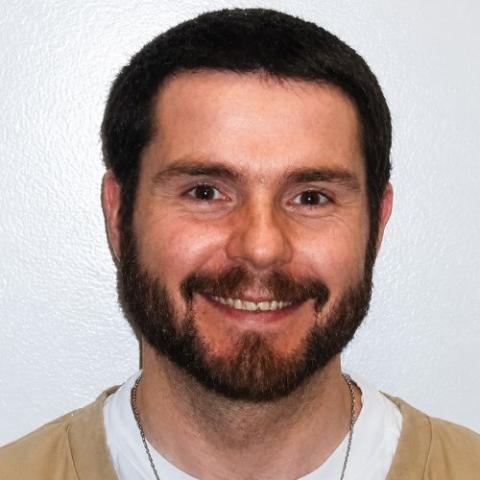
Briley Piper in a 2025 picture at the South Dakota State Penitentiary (Courtesy of Briley Piper)
The position reflects the Catholic Church's teaching that "the death penalty is inadmissible because it is an attack on the inviolability and dignity of the person". In an April message commemorating the 15th anniversary of Illinois' abolition of capital punishment, Pope Leo said that people do not lose human dignity even after committing serious crimes and that secure prison systems can protect society without depriving offenders of the possibility of redemption.
Reisch said the pope's nationality was not what persuaded him. Leo, born in Chicago, drew his attention as the first American pope, but Reisch said the decisive element changing his mind about the death penalty was hearing the church's teaching about this while serving in an office that gave him the ability to act.
He also acknowledged that the position placed him against the dominant political current of his state.
South Dakota is overwhelmingly Republican, and Reisch described its political culture as conservative, Christian and oriented toward law and order. Many lawmakers, he said, ground their public lives in religious belief while continuing to support capital punishment.
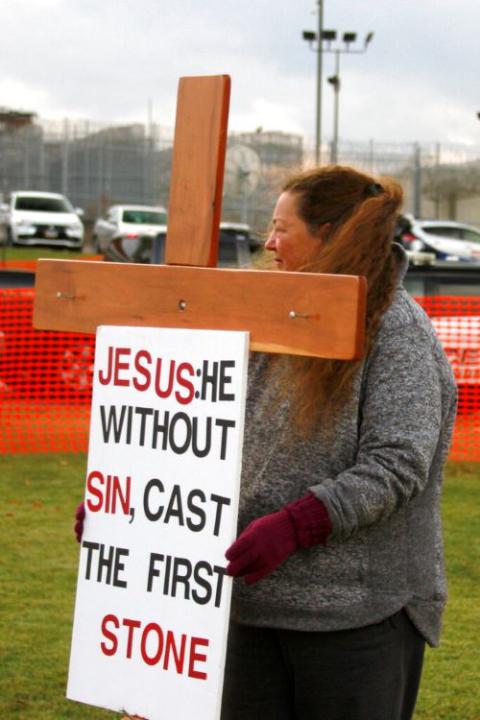
A protester holds a cross and sign during an anti-death penalty protest outside the South Dakota State Penitentiary in Sioux Falls Nov. 4, 2019, where Charles Russell Rhines was executed by lethal injection for the death of a former co-worker. (AP/Stephen Groves)
State Rep. Kadyn Wittman, a Democrat whose district includes the South Dakota State Penitentiary where Piper has been living on death row, sees the same conflict from the other side of the aisle. The 2026 session marked her second effort to help repeal the death penalty during four years in office.
With Republicans controlling an overwhelming majority of the legislature, she said, repeal is politically impossible without substantial Republican support.
"In South Dakota, we have complicated approaches to how we talk about justice versus punishment," Wittman said. "We have not yet been able to look at the death penalty as punishment and not justice, which is how I personally feel about it."
Wittman had volunteered at the penitentiary before becoming a legislator and has also met and interacted with Piper and observed his religious development.
"Just watching Briley's faith journey over the years has been really inspiring and interesting, but it is not a unique story," she said.
Yet she said she sees little present momentum toward either abolition or a broad reconsideration of South Dakota's penal policies. The state has made commutation requests less frequent, added felonies and increased mandatory penalties, she said.
"I almost feel like we've become more entrenched in keeping the death penalty, because one of the worst things you can be called as a politician in South Dakota is soft on crime," Wittman said.
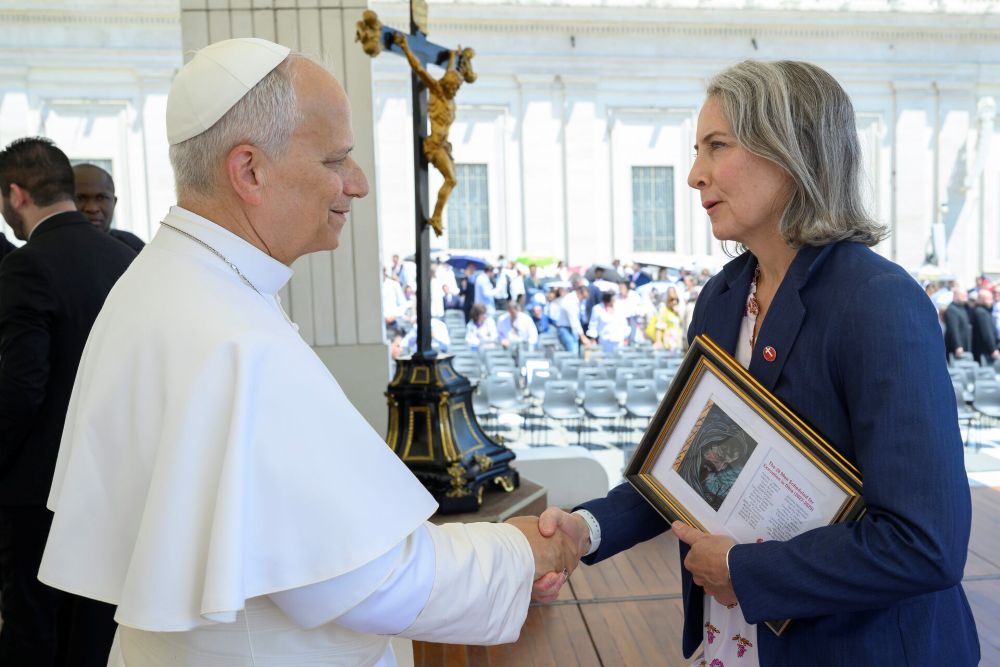
Krisanne Vaillancourt Murphy meets Pope Leo XIV on June 17, 2026, and gives him a framed drawing from a man on Ohio's death row with 28 names of men who have scheduled execution dates. (Courtesy of Vatican Media)
That phrase — "soft on crime" — is also something Krisanne Vaillancourt Murphy has heard that elected officials want to avoid. Murphy is the executive director of Catholic Mobilizing Network, a Washington-based organization that campaigns against the death penalty and promotes restorative justice. The organization works with bishops, dioceses, state Catholic conferences, religious communities and other advocates nationally.
She said public attitudes have moved away from capital punishment more quickly than the positions of some elected officials.
"I think people understand that the death penalty does not deliver what it once was thought to deliver: closure or deterrence, or simply being the worst of the worst," she said.
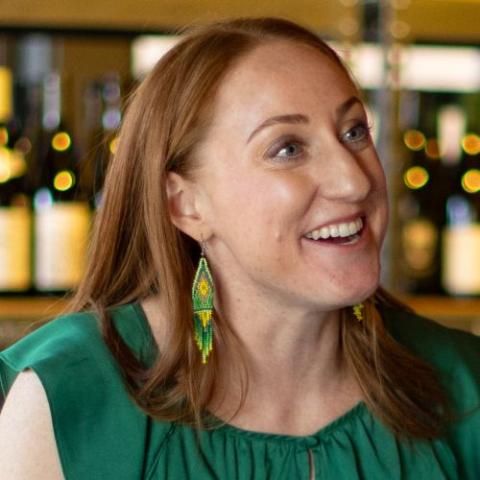
South Dakota State Rep. Kadyn Wittman, a Democrat, supported repealing the death penalty during four years in office. (Courtesy of Kadyn Wittman)
Political leaders, however, may still benefit from supporting executions, Vaillancourt Murphy said, particularly when seeking reelection or higher office.
"They get a lot more political points for being perceived as tough on crime and looking at the death penalty as a solution," she said.
The result, she said, is that condemned prisoners can become instruments in political campaigns. "I think unfortunately it's the people who are sitting on death row, innocent or guilty, [who] are often political footballs, and that's excruciating, because lives are hanging in the balance."
Piper's case presents the argument over capital punishment in especially Catholic terms. His supporters are not contending that his conversion cancels punishment or restores the life of the victim of his crime. They argue that Piper's spiritual and personal development demonstrates the human capacity for change — the same capacity Leo invoked when he said even those guilty of serious crimes should not be completely deprived of the possibility of redemption.
Advertisement
Reisch has never met Piper, but said he found the account of his conversion encouraging.
"Anybody that had something to do with his conversion to Catholicism, I would salute that," he said. "I mean, I think that's wonderful."
"I think nobody's as bad as the worst thing they ever did," he said.
Wittman said she reached a similar conclusion through the Catholic formation of her childhood. Even when speaking with Republican colleagues who disagree with her, she said, she has found common ground in the belief that every person possesses inherent dignity.
Vaillancourt Murphy sees such arguments as part of a broader shift among American Catholics. Pope Francis' address to Congress in 2015 framed abolition of the death penalty as a life issue, she said, while Leo has made the same principle newly visible to Catholics in the U.S.
In South Dakota, Reisch said he is not seeking reelection and will not personally have another opportunity to introduce a new death penalty repeal bill. He expects that someone else eventually will, but he does not foresee an immediate reversal.
"We got a long way to go before we get this thing repealed, but that doesn't relieve us of the responsibility to try to head it in the right direction," he said. "We just need to try to move the needle a little bit at a time."