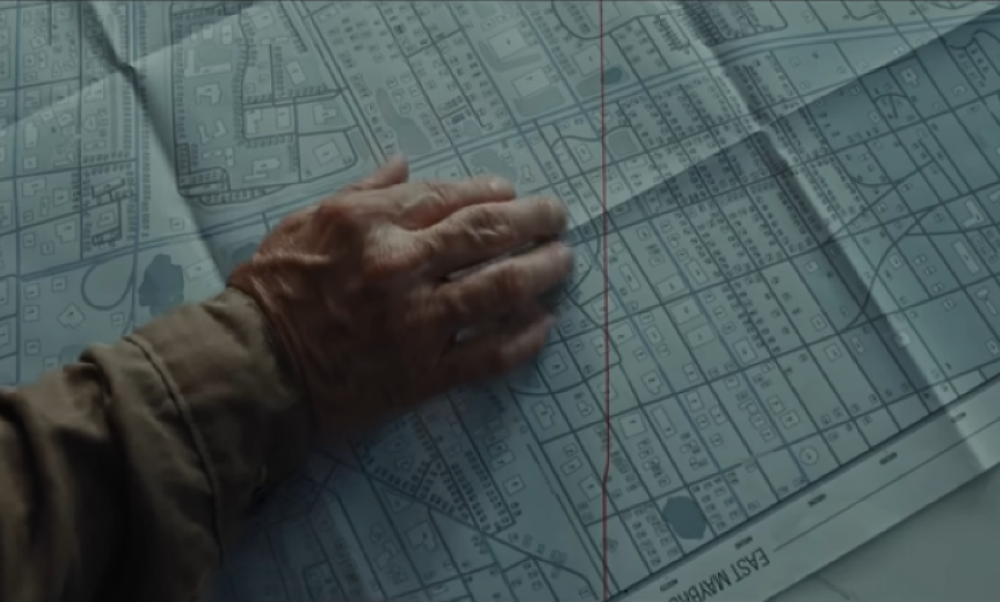
In "Weapons," 17 children from the same classroom vanish mysteriously. One father (Josh Brolin) and elementary school teacher Justine Gandy (Julia Garner) search through a town that feels like a fairy tale nightmare. (YouTube/Warner Bros.)

Some of the best films of 2025 share a single, compelling thread: the human impulse to rescue.
Like Abraham leading a group of men to rescue his kidnapped nephew Lot in Genesis, the central storylines of "Weapons," "One Battle After Another," "Sirāt," "Arco" and "The Voice of Hind Rajab" each explores missions of care and risk, journeys propelled by desperation, loyalty and, above all, hope. This storytelling impulse echoes the oldest and simplest of spiritual instincts: the call to protect, pursue and carry loved ones back to safety. It recalls the Good Shepherd leaving the 99 to lift the lost one onto his shoulders. Across mediums, genres and continents, these films insist that the act of rescue is both personal and universal.
In "Weapons," Archer Graff (Josh Brolin) is possessed by the relentless intensity of the Good Shepherd instinct: His son Matthew (Luke Speakman) is one of 17 children who have vanished mysteriously, and with the help of elementary school teacher Justine Gandy (Julia Garner), he searches through a town that feels like a fairy tale nightmare. The empty streets, looming houses and the sinister aura of Aunt Gladys (Amy Madigan), the mysterious woman who abducted the children, make up the moral labyrinth — a place where community apathy and fear of responsibility threaten to overwhelm those who take action.
Archer's dream of a floating, giant gun above the place where the children are hiding echoes the real-life anxieties of a world which neglects its young. The rescue here isn't linear; it's threaded with suspense as we see events unravel from different points of view, each of them highlighting the weight of bearing witness to the fragility of innocence.
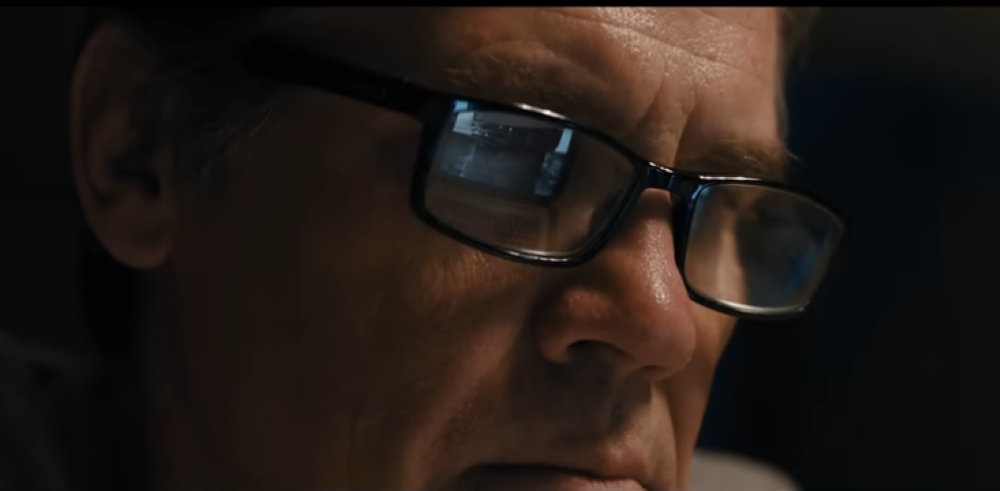
Josh Brolin plays the father of one of 17 missing children in "Weapons." (YouTube/Warner Bros.)
Contrast this with "One Battle After Another," in which Bob (Leonardo DiCaprio), like a fairy tale king, has sheltered his daughter Willa (Chase Infinity) in a forested Eden, a fragile refuge away from the human cruelty that took her mom Perfidia (Teyana Taylor) away when she was a baby. Teen Willa and her dad are still living with loss and longing when Col. Steven J. Lockjaw (Sean Penn) and his white supremacist cohort descend into the wilderness with murderous intent. Bob, clad in a bathrobe and sunglasses, takes on a hero's journey to rescue his daughter; his pursuit is almost existential, as he's racing against time and entropy.
Willa's eventual sanctuary within a convent provides only temporary reprieve as we are reminded of the uncertainty of seeking protection in a world on fire. But within the convent, director Paul Thomas Anderson creates one of the most gorgeous symmetries of the cinematic year as we see Willa practice shooting in an image that recalls her pregnant mother's own stance holding a firearm. Rescuing Willa also means saving the transmission of care from the mother's womb to her baby and the urgency of defending freedom from ideological violence.
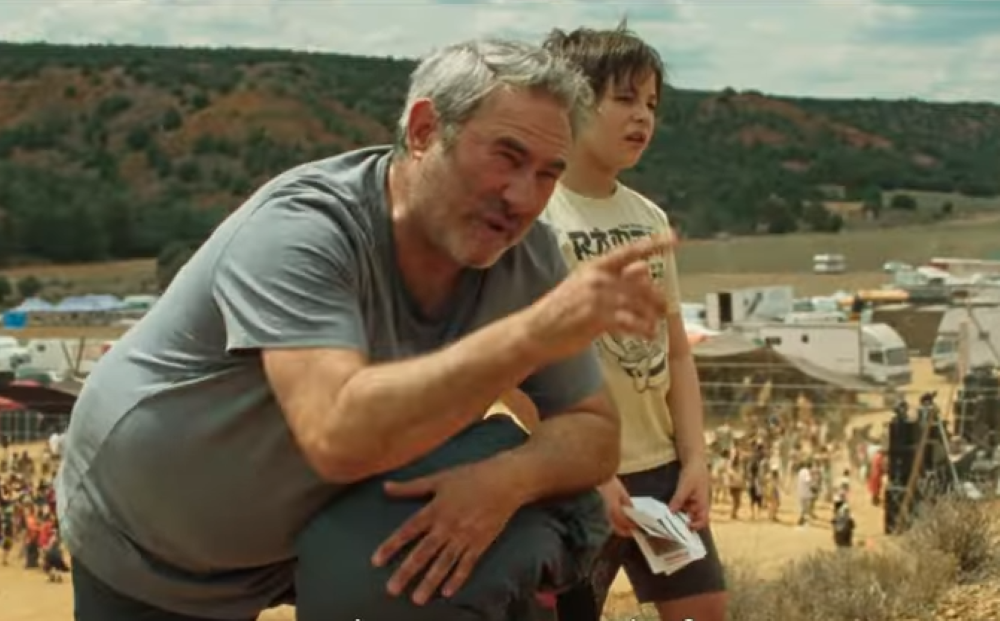
Sergi López and Bruno Nuñez Arjona play father and son seeking their daughter and sister in the Moroccan desert in the movie "Sirāt." (YouTube/The Match Factory)
Óliver Laxe's darkly sensuous "Sirāt" ventures into the Moroccan desert, a space both literal and symbolic, where Luis (Sergi López) goes on a wild goose chase trying to find his missing daughter. Accompanied by his young son Esteban (Bruno Núñez Arjona), and their faithful dog, Luis travels through hypnotic, dreamlike sequences that suddenly turn nightmarish. Nomadic communities traverse his path, dancing from party to party, trying to be of assistance and creating fleeting family networks.
The emptiness of the desert reflects our current feeling of abandonment: climate crises, pandemics, political divisions. Watching the film, I grew acutely conscious of the mind imagining this set of sequences. Laxe had these visions and transformed them into textured, vibrant images caught somewhere between memory and a dream. The journey in "Sirāt" is practical and spiritual, Luis' persistence in surviving despite desolation.
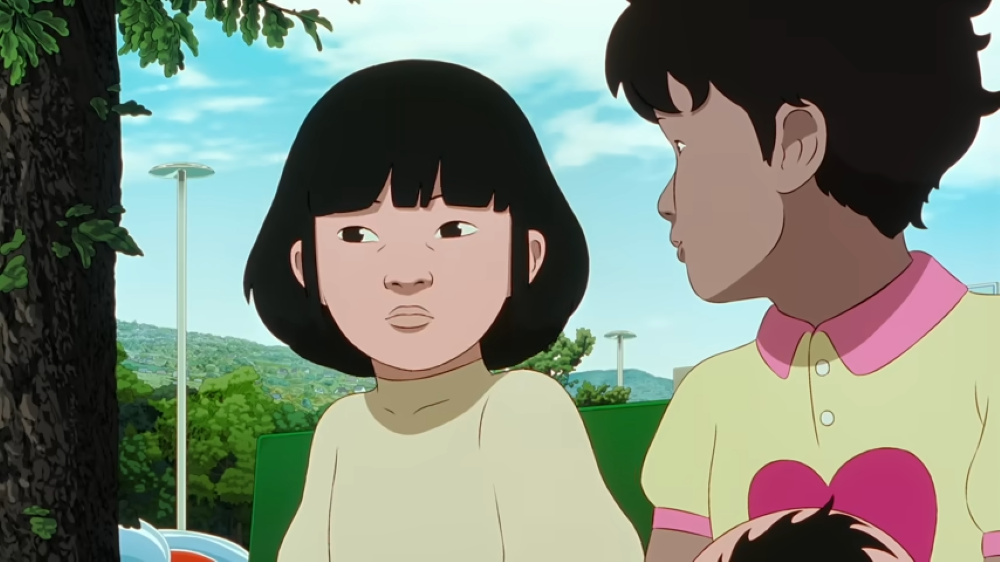
The animated film "Arco" follows two quasi-orphaned children living in a future world where parents are holograms, leaving the kids to look after each other with the instinctive generosity of youth. (YouTube/Neon)
The focus of "Arco," the animated film by Ugo Bienvenu, is more tender and intimate. We meet Arco and Iris, two quasi-orphaned children living in a future world where parents are holograms leaving the kids to look after each other with the instinctive generosity of youth. When Iris shares her sandwich with Arco on a bench as they contemplate endangered nature, we become aware of the quiet politics of caring without expecting anything in return. Unlike the other films mentioned so far, in "Arco" we mostly stay with the lost children; the next time we see the parents, in one of the most heartwrenching moments of the year in film, we are reminded that rescue missions can sometimes extend well past what we thought we could bear. As bell hooks said, "The moment we choose to love we begin to move towards freedom, to act in ways that liberate ourselves and others. That action is the testimony of love as the practice of freedom."
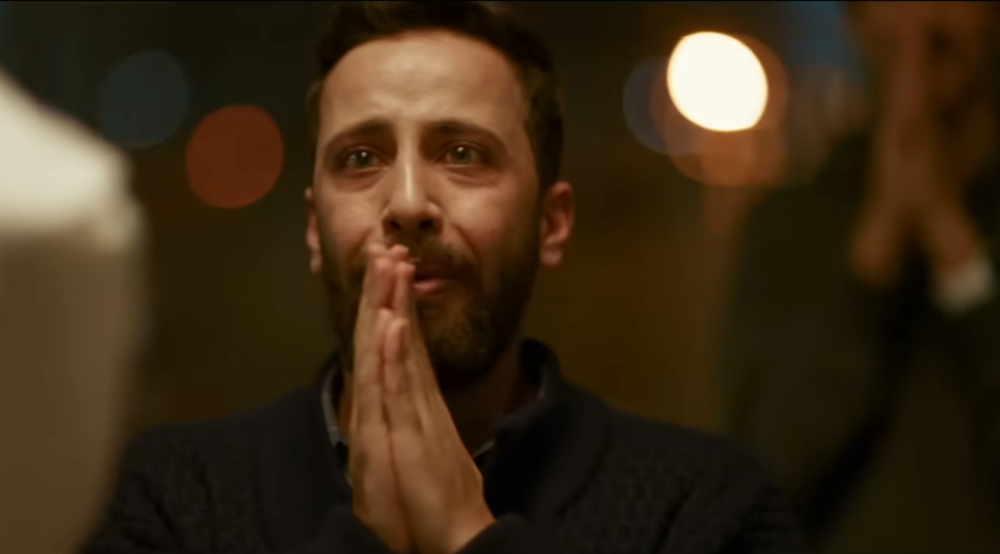
In "The Voice of Hind Rajab," Motaz Malhees plays a Red Crescent call agent trying to get rescuers to a 5-year-old Palestinian girl trapped in a car surrounded by her dead family, who had been shot by the Israel Defense Forces. Audio features the real voice of the little girl. (YouTube/Willa)
The devastating "The Voice of Hind Rajab" pits rescue against stark, devastating reality. Set in Gaza, the Tunisian docudrama tells the story of the titular 5-year-old Palestinian girl trapped in a car surrounded by her dead family, who had been shot by the Israel Defense Forces. Her tremulous voice, preserved in real-life audios from archival emergency calls, is ghostly evidence of fear and isolation, as actors play the Red Crescent rescuers fighting through bureaucracy and chaos to reach her. Cell phones in the film are used to blur recorded reality and dramatized rescue into a talk between nonfiction and fiction: Fiction can offer hope where reality fails, illuminate the possibilities of intervention, and demand moral accountability. The metaphor here becomes urgent and literal: Rajab was never rescued, her little body was retrieved 12 days after the calls from a car that had been destroyed by bullets.
Advertisement
Contrasts light up the rescue theme across these films: urban and rural, desert and forest, live-action and animation, thriller and existential meditation. Each presents a world in which innocence is threatened, separation is agonizing, and the act of rescue is both an ethical imperative and a spiritual labor. The biblical echoes come through loud and clear: Abraham charging into the unknown in search of Lot, the Good Shepherd hoisting the lost sheep onto his shoulders, the psalmist pleading for safety and guidance beside still waters.
This theme feels urgently relevant now as children are disappearing figuratively in our society, through misinformation, political neglect and the erosion of empathy and care. "The Voice of Hind Rajab" makes this literal, showing the consequences of failure under the horrors of war and bureaucracy. But what sticks out in each of the unimaginably complex rescue missions in these films is the relentlessness of hope. Rebecca Solnit's words resonate here: "Hope should shove you out the door, because it will take everything you have to steer the future away from endless war, from the annihilation of the earth's treasures and the grinding down of the poor and marginal."
The resonance of these stories lies in the insistence that action, empathy and love are not abstract virtues: They are verbs. To seek, to carry, to fight for another is to embody a hope that is active, tangible and necessary.
"To hope is to give yourself to the future — and that commitment to the future is what makes the present inhabitable," says Solnit. Across continents, languages and forms, these films insist that the responsibility of the human heart is neither optional nor symbolic, because when the lost are found, ( Luke 15:3-7: "Rejoice with me, for I have found my sheep which was lost!"), when the children and the frightened are carried back home, the return itself becomes sacrosanct. Their homecoming restores not just the rescued, but the world they inhabit.