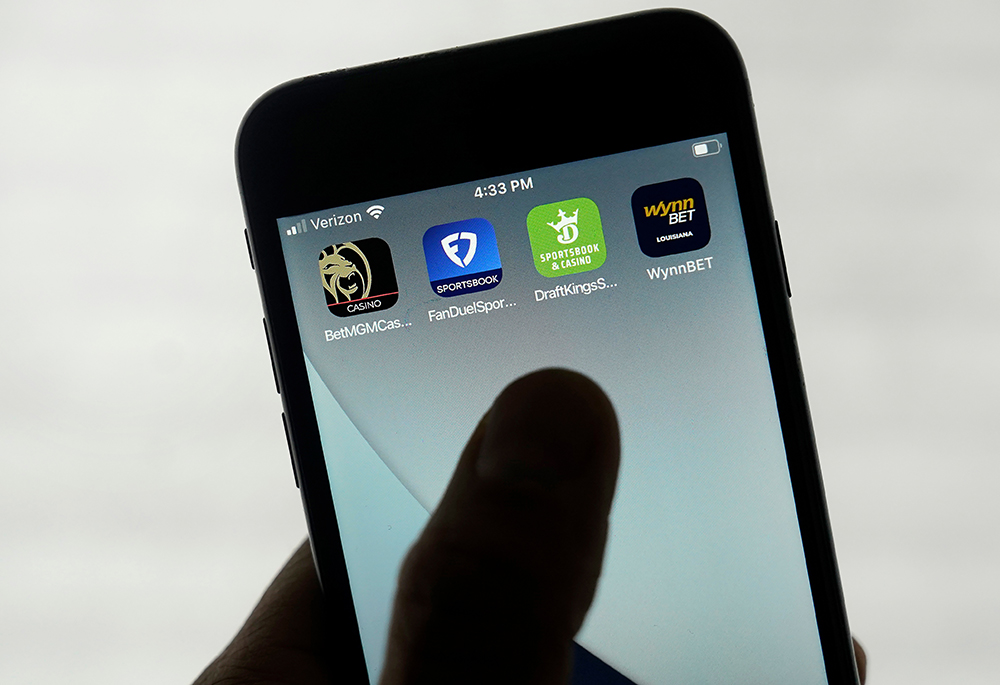
FanDuel, DraftKings and other online gambling apps are displayed on a phone in San Francisco, Sept. 26, 2022. (AP photo/Jeff Chiu, File)

by Michael J. O'Loughlin
NCR executive editor
When Pope Leo XIV condemned the "scourge of gambling" in a speech late last year, my ears perked up. I had just visited our once-mutual hometown, Chicago, and I was shocked by the invasiveness of sports betting in the area right around Wrigley Field. Exiting the Red Line, ads for online sports betting were plastered all around, including a permanent sign affixed to the station's exterior. Part of Wrigley Field was virtually unrecognizable, with a large gambling hall that opened in 2024.
So my mind was already thinking about the proliferation of gambling, particularly sports betting, when I read about Leo's address to the National Association of Italian Municipalities on Dec. 29. He urged those gathered to address challenges facing cities, especially "forms of marginalization, violence and loneliness that demand to be confronted."
The pope added: "I would like to draw attention, in particular, to the scourge of gambling, which ruins many families. Statistics show a sharp increase in Italy in recent years."
Ditto for the United States.
As of last year, 31 states and Washington, D.C., permit some form of online gambling, the result of a 2018 Supreme Court ruling that effectively legalized sports betting. A report from the American Psychiatric Association found that more than a quarter of American adults say that they gamble online every day and according to one national survey of registered voters, a staggering 10% of U.S. men between 18 and 30 report behaviors associated with addiction to gambling.
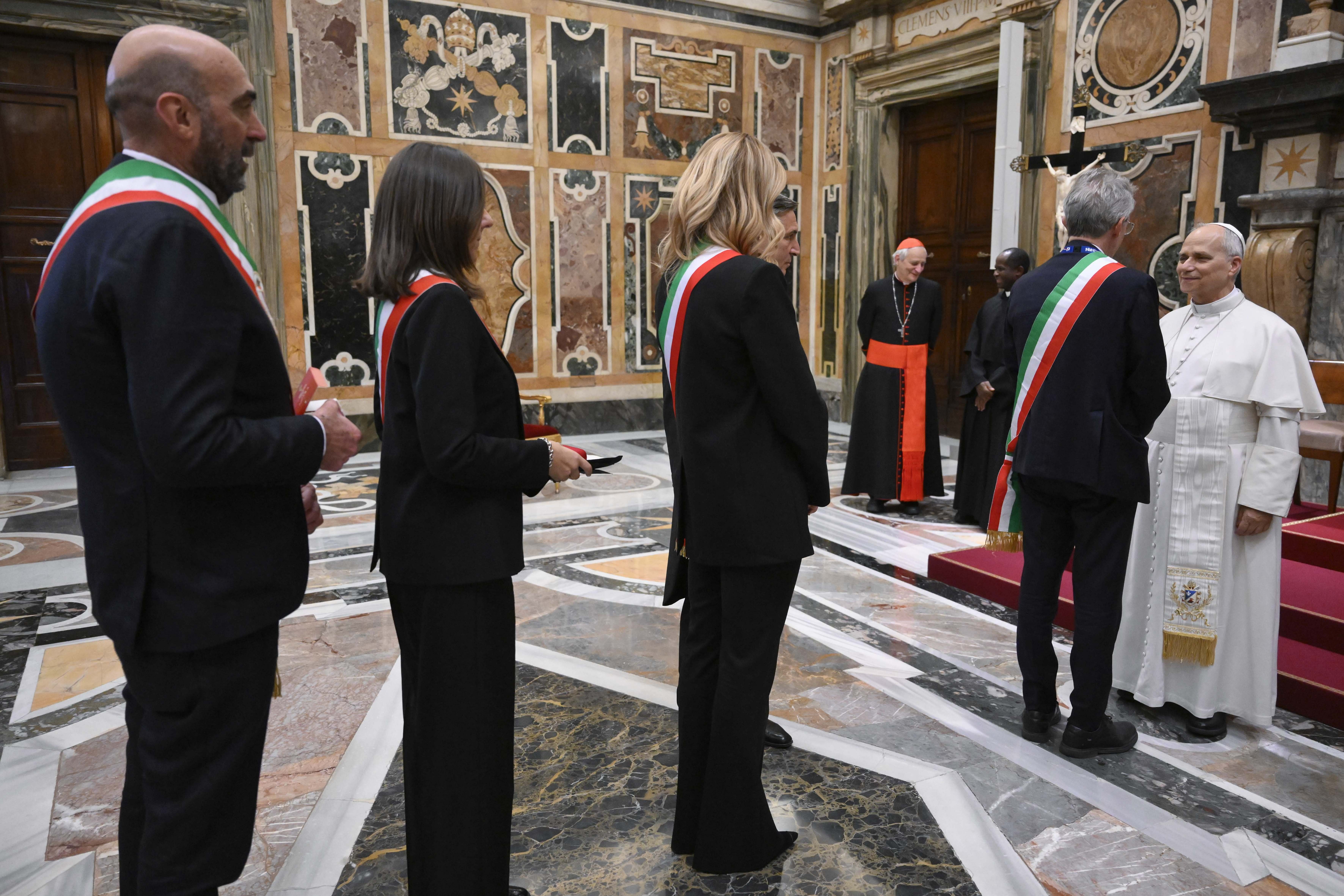
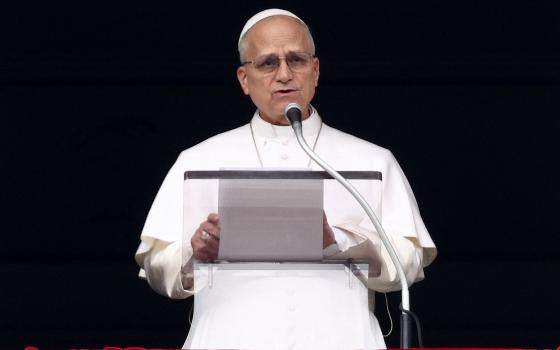
Pope Leo XIV greets members of the National Association of Italian Municipalities during an audience at the Vatican Dec. 29, 2025. (CNS/Vatican Media)
Les Bernal worked for years in state politics in Massachusetts before leaving to head up the nonprofit group, Stop Predatory Gambling. A Catholic active in his home parish, Bernal said he understands that the church holds a nuanced view of gambling. A friendly wager during a golf outing, or a weekly bingo night at a church, aren't inherently immoral, he said. But when companies design games and platforms that some say are designed to get users hooked, that's when morality, not to mention general human flourishing, becomes an issue. Because the ultimate goal, Bernal said, is to get users addicted to all kinds of predatory online gambling, especially online casinos.
"Sports gambling is really a customer acquisition tool to get young guys to sign up on the apps," Bernal said. From there, these companies entice users with access to online casinos — already legal in Connecticut, Delaware, Michigan, New Jersey, Pennsylvania, Rhode Island and West Virginia. Prior to the online versions, regular casinos offered enough friction to give some would-be gambling addicts second thoughts. Not so with online casinos, Bernal says.
"It's like having the fentanyl dealer right in your living room," he said.
Advertisement
Bernal is hardly the only Catholic trying to raise awareness about the dangers of predatory online gambling:
- Bishop Michael Izen, an auxiliary bishop in the Archdiocese of St. Paul and Minneapolis, testified against bringing online gambling to Minnesota last year, telling lawmakers it would be "incredibly harmful" and "offers no real social benefit." Further, Izen condemned "a predatory industry" that "will be particularly harmful to young men."
- In North Dakota, the state's Catholic conference filed a brief against legalizing online, for-profit gambling. "Combining easy access by cell phone or laptop to the lure of gambling is like adding gasoline to fire," wrote David Tamisiea, the conference's executive director.
- And Catholics in Ohio were urged by church leaders to voice their opposition to expanded online gambling, which they warned would lead to "enslavement to gambling" and "disproportionately impact the poor, young men, and the lonely."
It might feel like a long-shot battle.
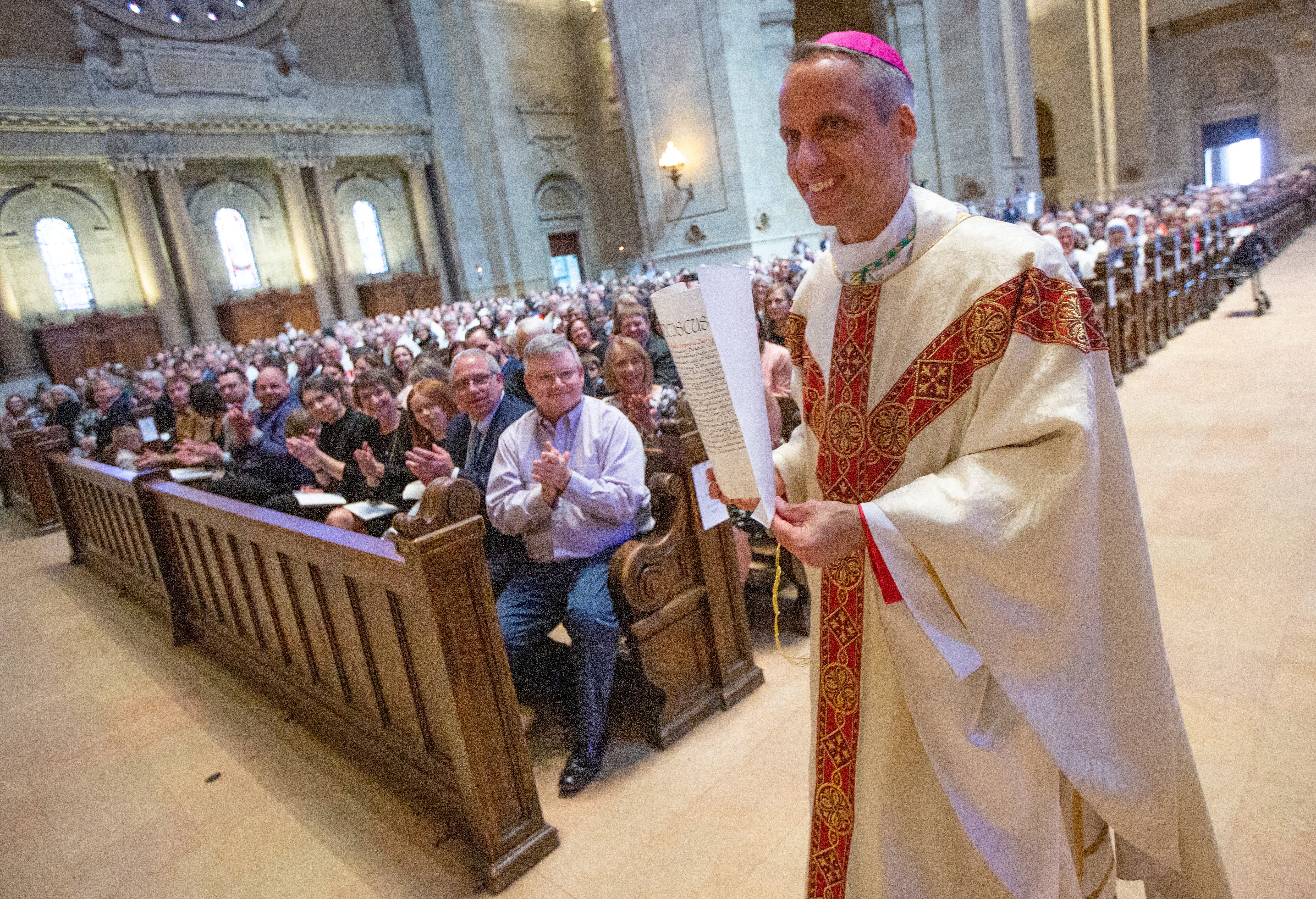
Auxiliary Bishop Michael Izen shows the papal mandate from the Apostolic See as he walks through the Cathedral of St. Paul in St. Paul, Minnesota, during his episcopal ordination April 11, 2023. (OSV News/Catholic Spirit/Dave Hrbacek)
Super Bowl viewers were inundated with ads for online sports betting — and they appear to work. The American Gaming Association estimated that Americans would legally gamble $1.76 billion dollars on the game. Bernal warns that's just the beginning.
Prediction markets, which allow users to gamble "yes or no" on future, real-world events, is a growing business. (The NFL banned Super Bowl ads for prediction markets.) Not subject to state gambling regulations, prediction markets let users bet on sports, but also on the outcomes of elections, when the federal reserve will cut interest rates and even when the alleged kidnapper of Savannah Guthrie's mother will be arrested. Their popularity is rising, with more than $44 billion in bets in 2025, up from just $9 billion the year prior.
Companies have billions of dollars at stake and their lobbying feels relentless and effective. The social fallout, including addiction, bankruptcy and even suicide, can be devastating. The church has something to say about the issue, highlighting the moral, ethical and spiritual aspects of legal, predatory online gambling. With Leo now on the record against "the scourge of gambling," joining bishops and other church leaders in many U.S. states, perhaps more Catholics will tune in to the exploitative nature of these products.