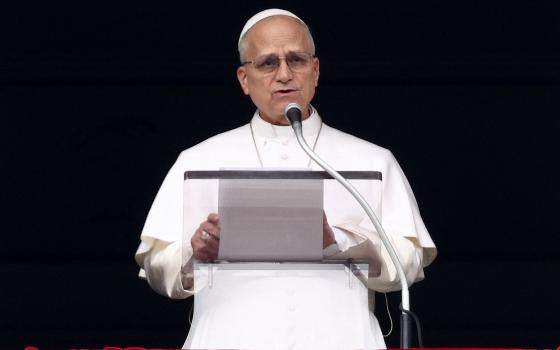
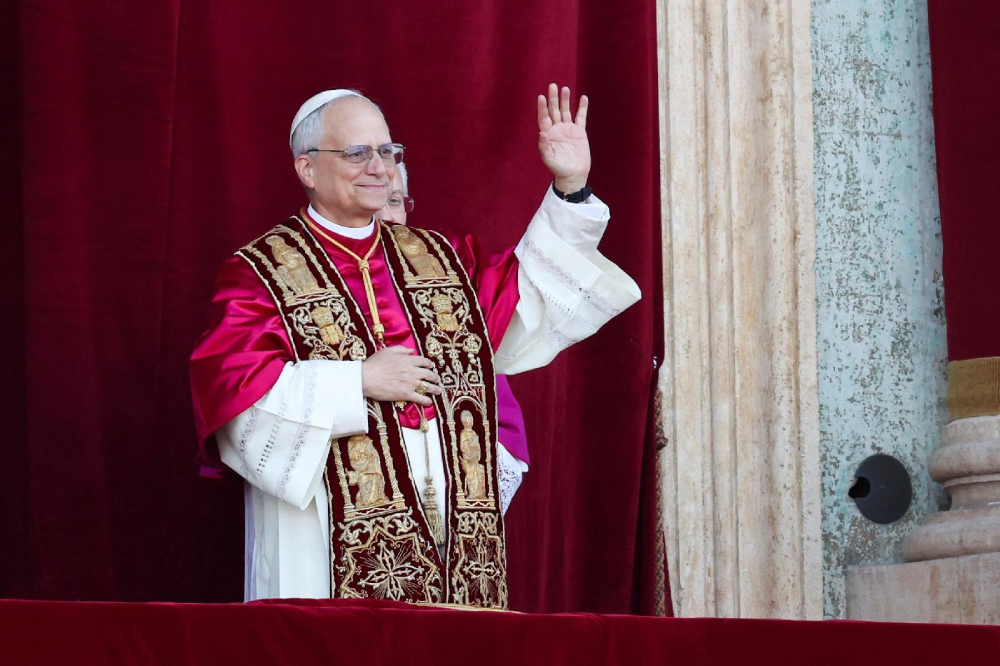
Cardinal Robert Francis Prevost, who has chosen the papal name Leo XIV, appears on the central balcony of St. Peter's Basilica at the Vatican May 8, 2025, following his election during the conclave. He is the first pope from the United States and the first Augustinian pope in history. (OSV News/Reuters/Claudia Greco)
When the Sistine Chapel's white smoke rose on May 8, it crowned not a campaigner, but a conciliator. What cardinals inside the conclave say they sought — and what they found in Robert Francis Prevost, now Pope Leo XIV — was not a striking personality to remake the church, but a steady pastor who could carry forward Pope Francis' spirit while strengthening governance.
Here are five takeaways from NCR's investigation inside the conclave that chose the first U.S. pope:
- Mourning for Francis set the tone from the start.
The general congregations that followed the late pope's funeral were marked by what several cardinals described as deep sorrow and an unusual calm. That emotional backdrop dampened rivalries and reframed priorities: synodality, care for the poor, credibility and the pursuit of peace replaced factional maneuvering. "There was a silent agreement" not to push names too soon, Italian Cardinal Silvano Tomasi recalled. Similarly, Belgian Cardinal Jozef De Kesel told NCR: "No one ran any kind of electoral campaign."
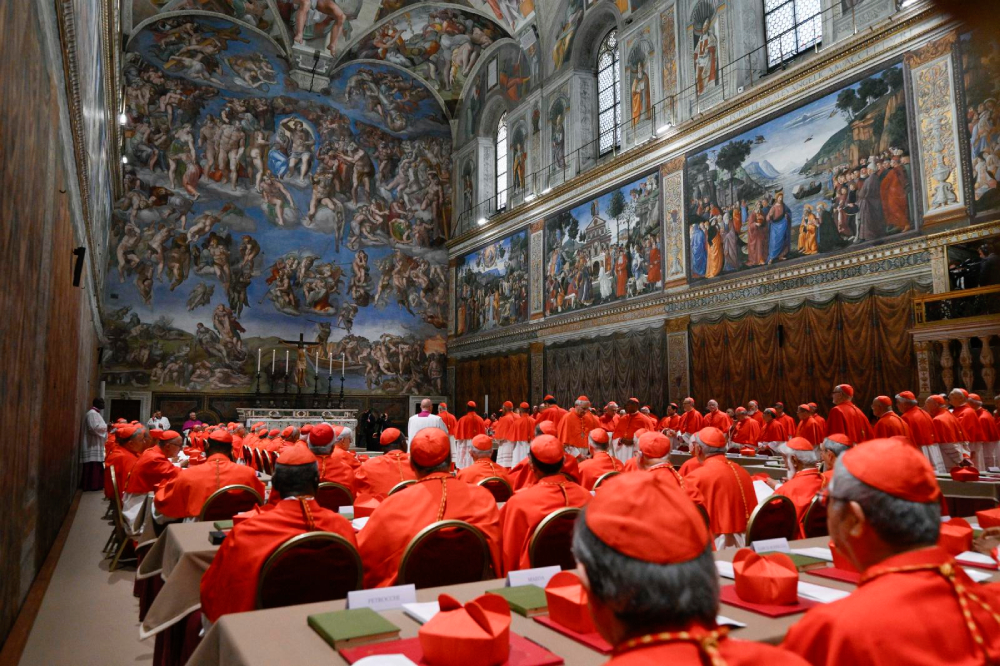
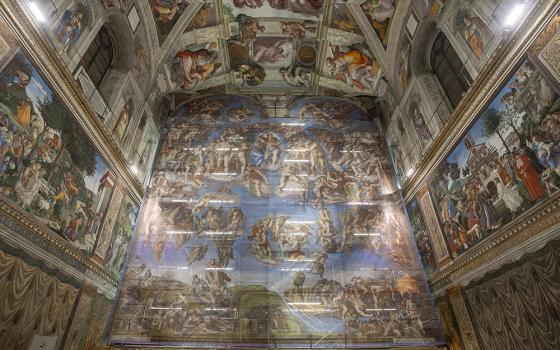
The cardinals gather in the Sistine Chapel at the Vatican May 7, 2025, for the start of the conclave to elect a new pope. (CNS/Vatican Media)
- There was a clear preference for continuity.
Cardinals told reporters they wanted someone who would carry forward Francis' reforms and pastoral tone — "Franciscan in tone, but structurally sharp," as one put it — rather than reverse them. Even those who had disagreed with Francis found it difficult to openly criticize his legacy in the days before the conclave, underscoring how the late pope's imprint shaped the electorate's expectations.
- Prevost's star rose in pre-conclave gatherings.
Cardinal Robert Prevost, a former missionary and the head of the Dicastery for Bishops, was not a headline favorite. But his interventions in pre-conclave gatherings resonated. Several electors remembered his lucid, measured analysis of the church's challenges and his emphasis on pastoral experience across continents. His biography — years in Peru, leadership in Rome and multilingual pastoral ties — reframed him not primarily as an American candidate but as a figure of global pastoral credibility.
Advertisement
- Prevost was calm when the final vote came.
A silence swept through the chapel. Cardinal Louis Sako, the Iraq-based patriarch of the Chaldean Catholic Church, who was sitting right next to Prevost, said: "He remained serene, simple and calm the whole time … I didn't observe anything extraordinary, as if he had been born pope." For fellow American Cardinal Joseph Tobin of Newark, New Jersey, the moment brought mixed emotions which he described as "strong gratitude and joy, but also compassion" for the new pope. "He can't just go say to some people, 'I'll meet you at this pizzeria, and we can have a pizza together,' you know. Things really change."
- Expectations met after six months of pontificate.
The first six months of Leo's pontificate have met the expectations of the cardinals who placed their trust in him on May 8 in the Sistine Chapel. His first encyclical — Dilexi Te — is based on the centrality of the poor in the life of the church and the work of Catholics around the world, as Francis had already expressed on repeated occasions. To date, interreligious dialogue, the promotion of peace and unity and openness toward marginalized Catholics have been recurring themes in Leo's speeches and meetings.