The U.S. bishops' statement on immigration may be benign, but it is — at least — a beginning. Our fear is that it will be treated as an end in and of itself.
How far apart is the current leadership of the U.S. bishops conference from the Holy See and universal church? Archbishop Timothy Broglio did not mention Vatican II in his address. Not once.
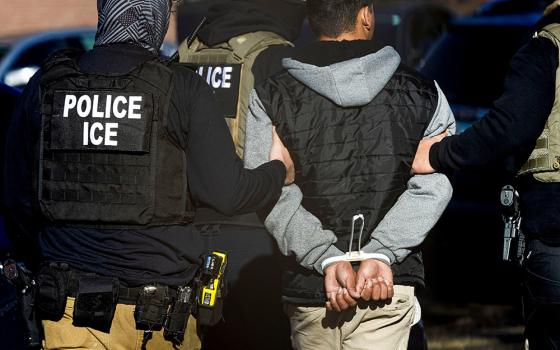
U.S. bishops approved a "special pastoral message on immigration" that expresses the collective solidarity of the U.S. bishops' conference with immigrants amid the Trump administration's aggressive enforcement tactics.
The vote for a new president of the U.S. bishops' conference was close. Close and deeply disappointing. In choosing Archbishop Paul Coakley, the bishops had to overlook the disrespect he demonstrated toward Pope Francis.
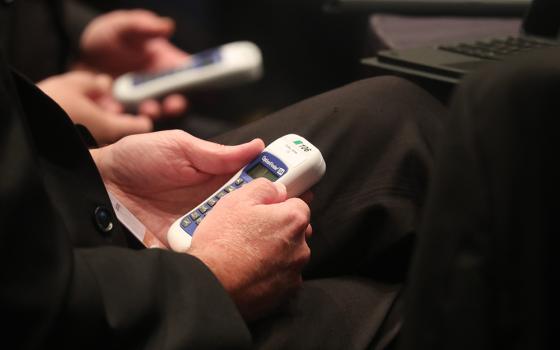
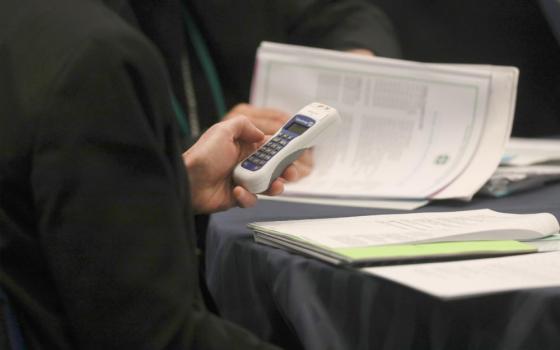
The U.S. Catholic bishops on Nov. 11 elected Oklahoma City Archbishop Paul Coakley as the new president of the U.S. Conference of Catholic Bishops during the conference's annual fall plenary assembly.
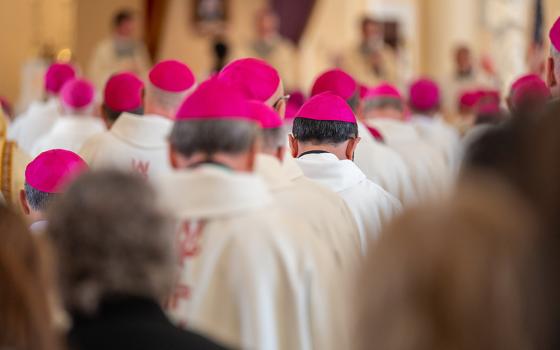
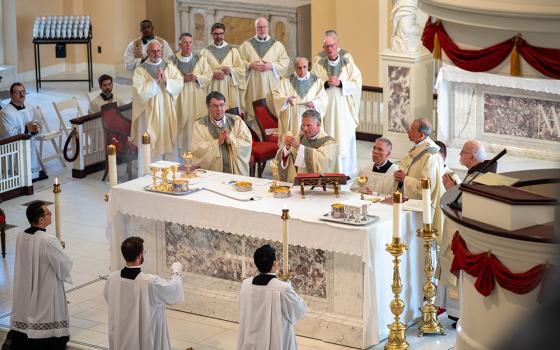
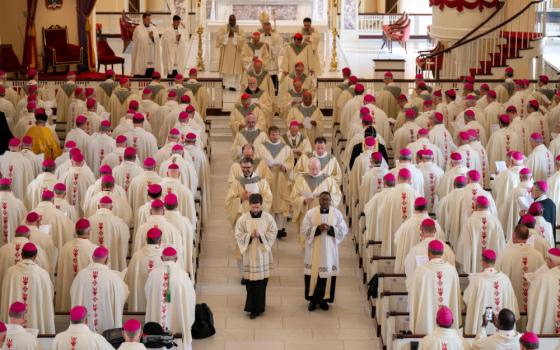
More than 320 bishops from across the U.S. streamed into the Basilica of the National Shrine of the Assumption of the Blessed Virgin Mary in Baltimore Nov. 10 to celebrate Mass on the first day of their fall assembly.
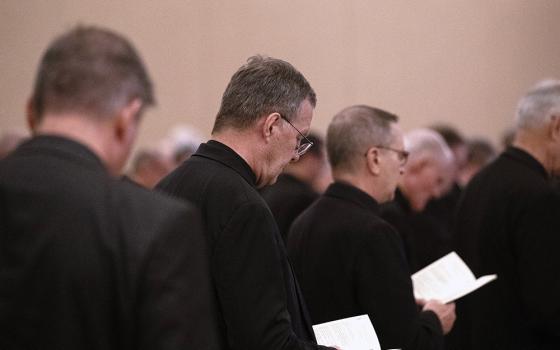
If the U.S. bishops, meeting in Baltimore this week, could speak with one voice united with the pope, they would project a moral voice worth listening to.
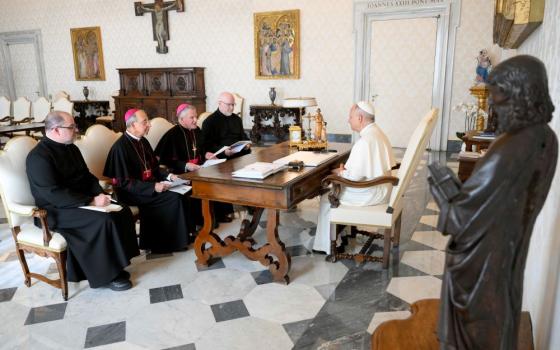
The resistance many bishops showed to Pope Francis and his reform agenda is no longer a viable option with Pope Leo XIV, who can cut through the media noise speaking in American English, writes Michael Sean Winters.
U.S. bishops have spent untold millions to influence national politics on abortion, but their response to real terror in our streets and government-driven deprivation of basic needs has been embarrassingly inadequate.
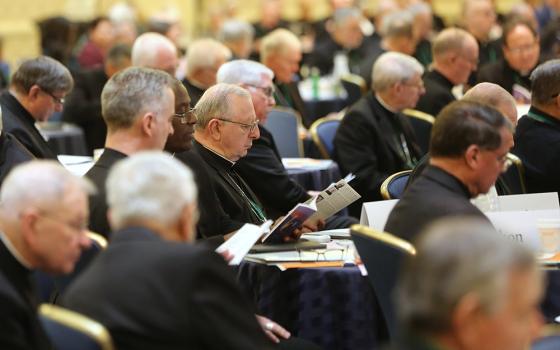
The U.S. bishops begin their plenary meeting today. This year, a large cloud hangs over the meeting, writes Michael Sean Winters. Yet there is also a rainbow, and the bishops face crucial decisions.
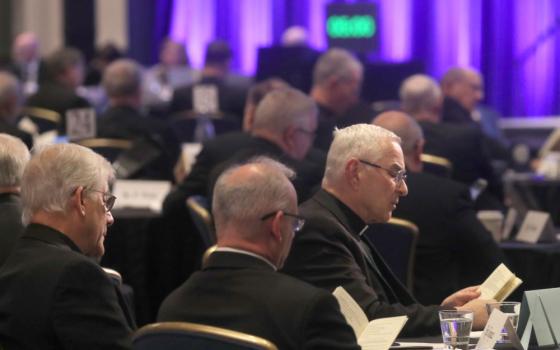
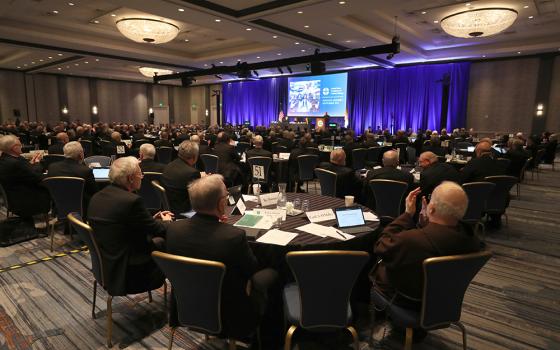
The USCCB will meet this week in Baltimore to discuss evolving immigration issues, revised ethical directives for Catholic health care facilities and hold an election that "will have consequences beyond the U.S. church."